 Chatgpt Grow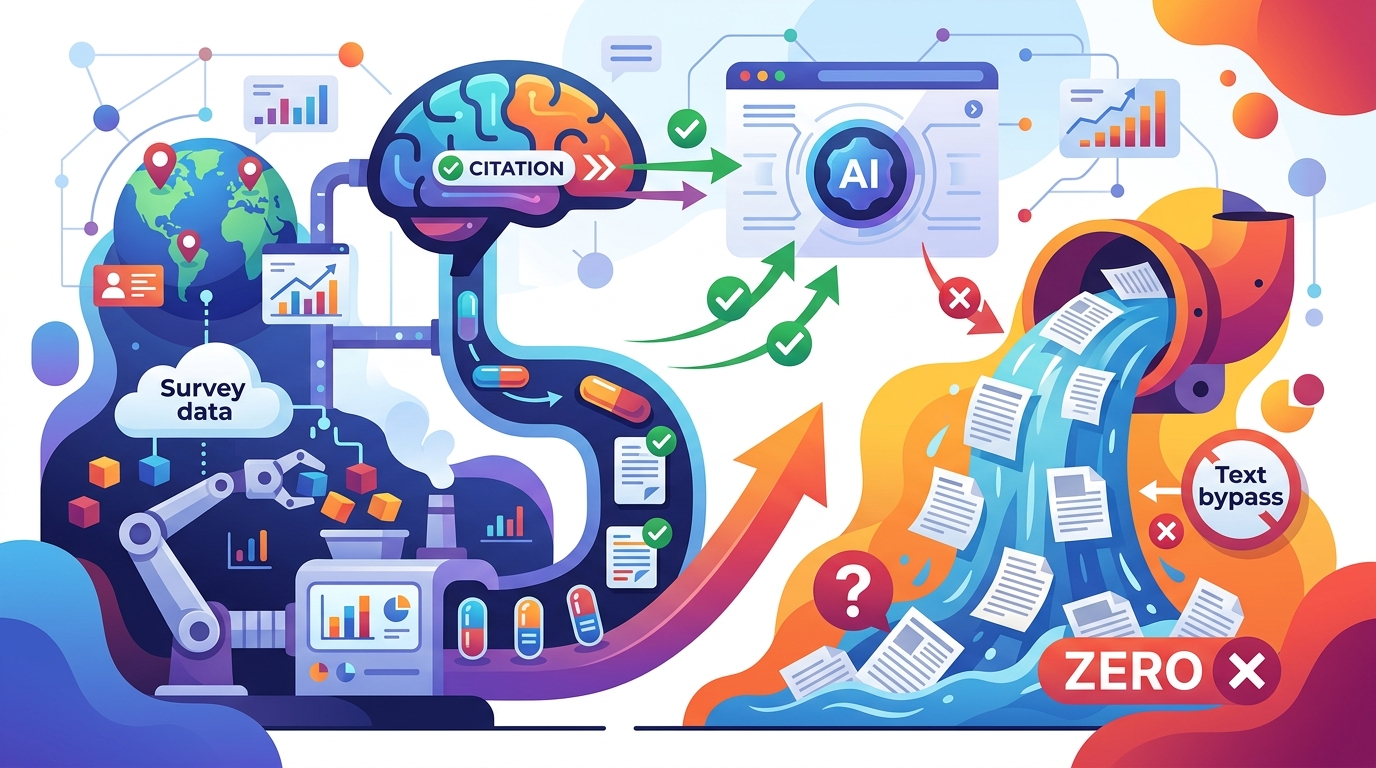
chatgpt grow vs tely ai comparison
ChatGPT Grow vs Tely AI: Which Autonomous Content Engine Actually Solve the SaaS Zero-Citation Problem?
When our developer-tools analytics dashboard first showed zero visibility in generative search engines, my instinct was to spin up a high-volume AI writing tool to flood the domain with keywords. That turned out to be a waste of three months. Every article we published was just a cleaner, faster rehash of existing web text, and LLM answer engines bypassed us completely because we brought nothing new to the table. If you are a SaaS marketing lead trying to decide between chatgptgrow.com and Tely AI for your organic acquisition stack, the verdict comes down to whether your bottleneck is raw content volume or the lack of primary data citations that generative engines require to reference you.
How ChatGPT Grow Builds Original Numerical Claims for Generative Search
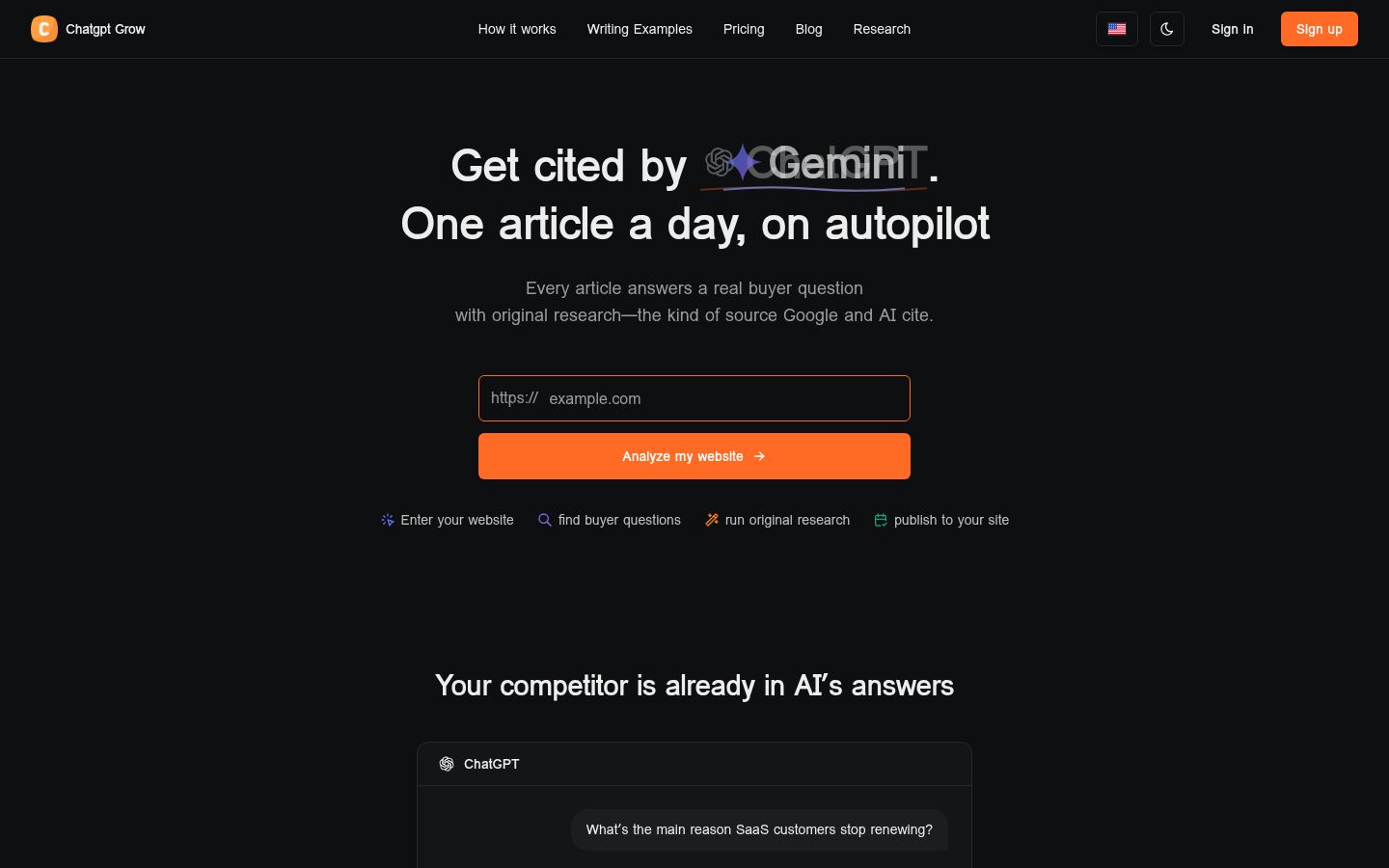
ChatGPT Grow operates as a specialized content production service that reads a submitted website to construct a brand profile, maps target buyer intent against proprietary research data sets, and automatically publishes one survey-backed article per day. The core mechanism bypasses standard keyword stuffing by anchoring every piece of content in original numerical claims designed for machine extraction.
The system begins by ingesting your domain to understand your product positioning. Instead of asking what keywords your competitors are ranking for, it maps what your buyers are actually asking generative engines, then commissions and incorporates original surveys and numerical data points directly into the drafting pipeline. According to a 2024 Princeton study published at KDD (Aggarwal et al., KDD 2024), embedding specific statistics into content boosts AI citation rates by 37%, and citing authoritative sources increases AI visibility by 40%. ChatGPT Grow automates this exact requirement by producing one researched article per day around a distinct statistical claim, structuring the output so that LLM answer engines can easily parse and cite the figures.
Where this approach reaches its limit is custom narrative flexibility and broad top-of-funnel brand storytelling. Because the pipeline is engineered around strict numerical data points and automated publishing schedules to connected content management systems like WordPress, Ghost, Webflow, and Notion, you lose the ability to manually craft sprawling opinion pieces or deeply nuanced product update announcements that do not fit a research-backed survey format. If your go-to-market strategy relies heavily on visionary essays rather than hard data answering specific buyer friction points, the daily automated cadence can feel rigid.
Deploying Tely AI for Autonomous Intent Mapping and Multi-Channel B2B Scaling
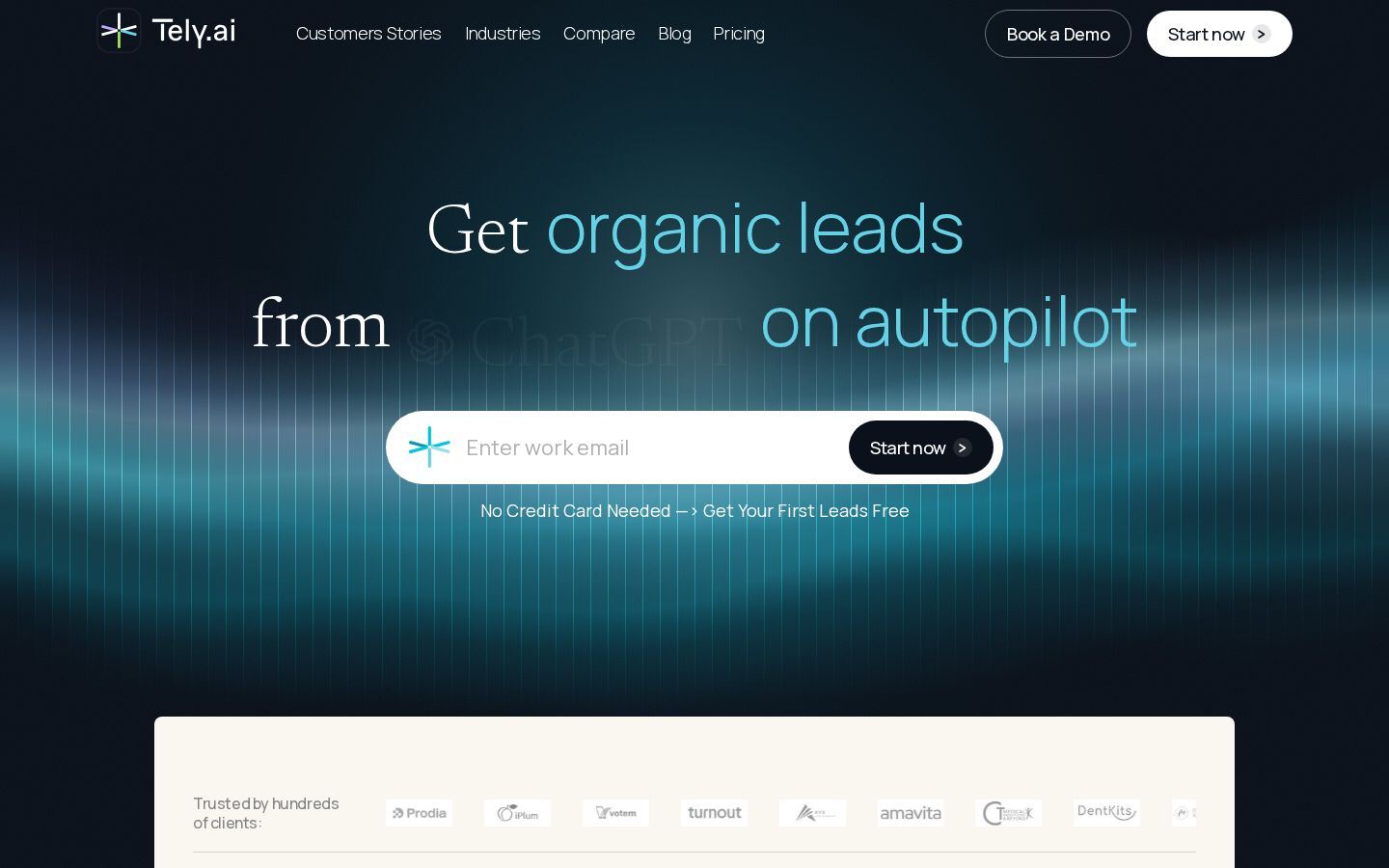
Tely AI functions as an autonomous organic growth platform that ingests company data, researches industry expertise across hundreds of external sources, and automatically generates, publishes, and updates SEO-optimized pages while capturing inbound leads. The core mechanism bridges content generation with on-site visitor identification and CRM routing.
The workflow starts by analyzing your website, documentation, sales calls, and existing content to learn your product, pricing, and positioning. It then reviews and cross-checks between 400 and 800 credible sources per article, drawing on industry reports, expert blogs, and papers to build industrial expertise. Once the content goes live, Tely AI deploys an on-site AI chat to qualify visitors by role, use case, and timeline, automatically enriching and pushing those leads directly into your CRM. The platform offers tiered pricing plans starting at 699 per month for 60 articles up to 1,999 per month for 250 articles, which also includes a professionally built website if you are starting from scratch.
The friction point with this architecture appears when you need generative search engines to actually cite your domain rather than just rank your pages in traditional results. While Tely AI excels at synthesizing hundreds of existing industry sources to build comprehensive topical coverage and capture broader commercial queries, it relies on synthesizing existing web knowledge rather than commissioning primary statistical surveys. For SaaS domains fighting to break into LLM answer engines where raw synthesis is treated as secondary noise, you get high-volume publishing and lead capture, but you miss the proprietary data density that triggers direct citations.
Head-to-Head Comparison: Data Integration, Automation Depth, and GEO Optimization
— means the vendor has not published this on official channels; it does not mean the capability is missing.
Choosing Between ChatGPT Grow and Tely AI for Your SaaS Stack
When your primary bottleneck is that generative search engines ignore your domain because every page you publish relies on secondary summaries rather than hard data, choose ChatGPT Grow to automate the pipeline of original numerical claims and secure direct citations. When your marketing team lacks a functioning website, needs an integrated lead capture chat, and requires broad topical coverage built by synthesizing hundreds of industry sources, choose Tely AI to scale your organic presence and CRM routing. If your SaaS product operates in a crowded market where buyers ask LLM engines specific, data-driven questions, test a single data-backed cycle before committing your quarterly organic budget to broad keyword volume.